
Are you looking for affordable passive house triple glazed windows for a certified or low-energy build? Do you want to find a window manufacturer that offers certified U-values, airtight frames and reliable solar control? Or are you hoping to find a reliable passive house triple glazed window manufacturer capable of producing to your project drawings and climate zone?
If the answer is yes, then the international window market is your best choice. Manufacturers in Europe, North America and Asia now offer passive house certified and passive-house-suitable systems across timber, aluminium, uPVC and composite frames, so the practical question is no longer whether a triple glazed passive house window exists, but which supplier documents its performance in a way your certifier will accept. Below, we present leading passive house triple glazed window manufacturers in the world to help you quickly find the right partner.
Quick Navigation
- Neuffer Windows and Doors
- Taiyang
- Internorm
- Norrsken
- Zola Windows
- Alpen High Performance Products
- Innotech Windows and Doors
- Fibertec
- INTUS Windows
- HH Windows and Doors
1. Neuffer Windows and Doors
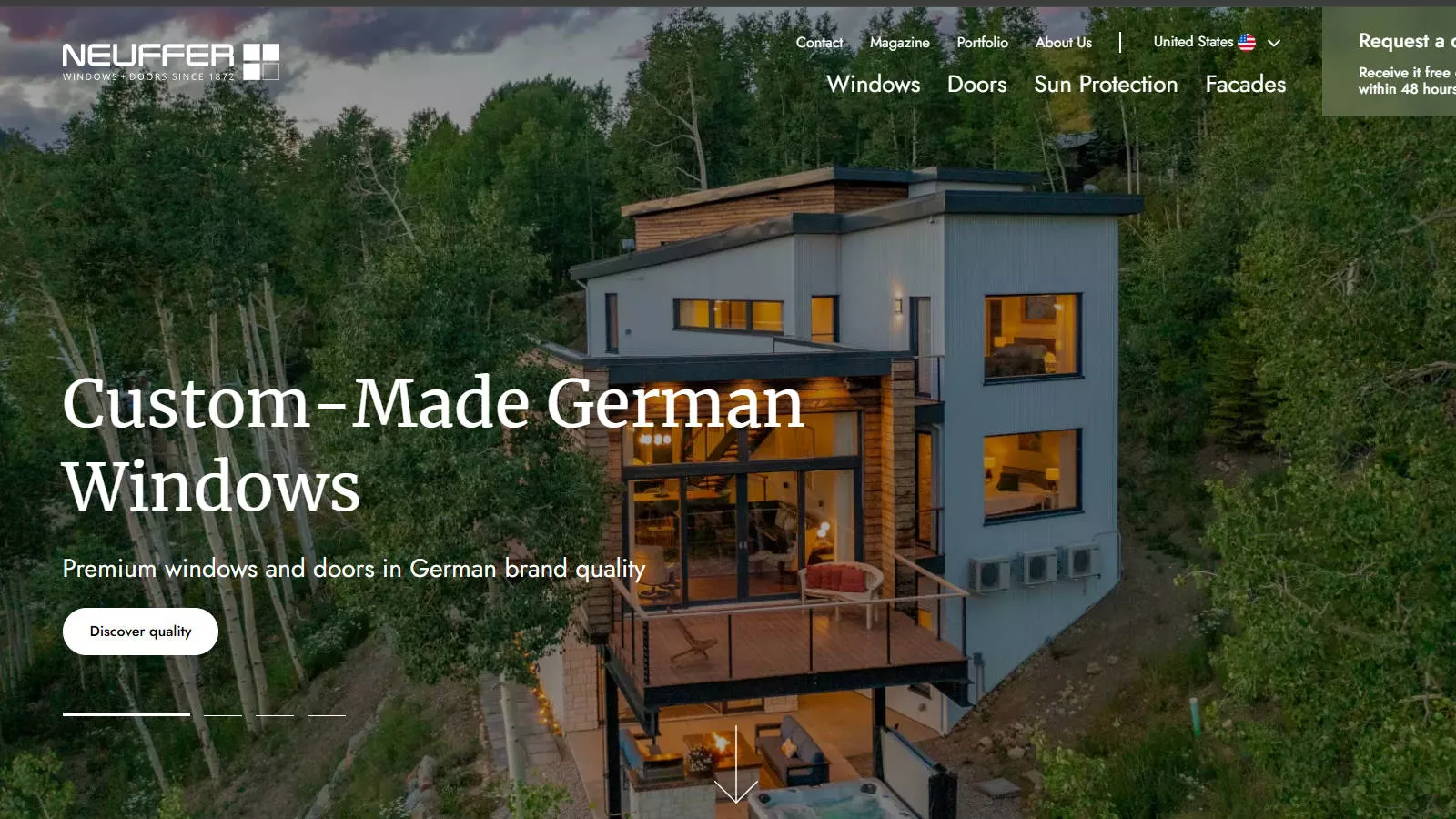
Website: https://www.neuffer-windows.com/
Headquarters / Supply Model: A fifth-generation family business based in Stuttgart, Germany, supplying made-to-measure windows and doors to projects worldwide since 1872. Products are produced in Europe and shipped to more than 500,000 customers across six continents.
Core Products / Technologies: Vinyl, aluminium-clad wood and aluminium windows in tilt-and-turn, fixed and pivot versions, with double or triple glazing selectable per project and glass structurally bonded to the sash. Published profile data includes the energeto 8000 at Uw ≥ 0.72 W/(m²K), energeto neo (described as a Passive House Institute certified profile) at Uw ≥ 0.79, IDEAL 8000 at 0.74 and Kömmerling 88 MD at 0.79.
Why Consider Neuffer: Few suppliers publish Uw values for every profile in the range, which makes early-stage specification much faster: a buyer can see immediately which system reaches a passive-house-level Uw and which is a conventional low-energy option. The company states that its products are tested by IFT Rosenheim and carry the CE label and the RAL quality label for uPVC windows, and it offers energy efficiency certificates issued through the Passive House Institute alongside a ten-year guarantee on aluminium cladding. For North American and Asian projects the value is a European-made window with a documented thermal figure rather than a claim.
Best Suited For: Self-build and architect-led projects that need a specific Uw target, buyers comparing several frame materials at the same performance level, and projects requiring a written energy certificate for a certifier or grant application.
Before Purchasing: Confirm which profile and glazing build-up the quoted Uw refers to, because the figure is only valid for that exact combination of frame, spacer and glass. Ask for the certificate document rather than the headline value, confirm the installation detail for your wall construction, and clarify lead time, shipping terms and who handles customs on arrival.
2. Taiyang
Website: https://www.taiyangwindowdoor.com/
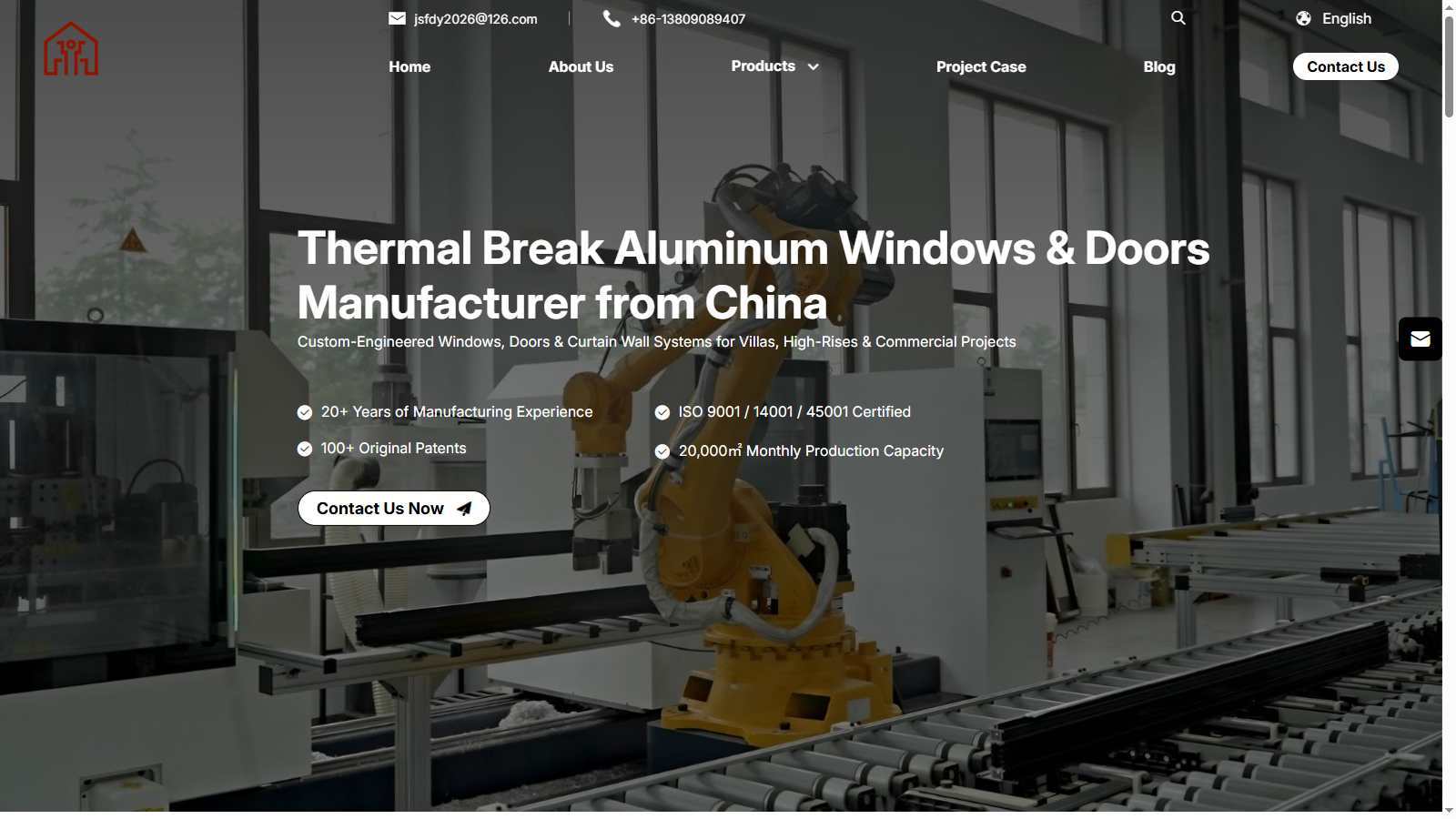
Headquarters / Supply Model: A China-based manufacturer of thermal break aluminium windows, doors and curtain wall systems, working factory-direct with technical drawings and profile system recommendations issued before production. The published company material reviewed does not state a city-level address, so the production location should be confirmed during inquiry.
Core Products / Technologies: Thermal break aluminium windows tested to GB/T 7106, panoramic and sliding doors in lift-and-slide and standard sliding versions, aluminium alloy sunrooms and curtain wall systems in unitised and stick-built types. Named systems include the ES110 outward-opening thermal break window, the BF115 thermal break window with integrated screen, and the BD93 Passive House inward-opening casement, which is the series most relevant to low-energy and passive house projects.
Why Consider Taiyang: The BD93 passive house inward-opening casement shows that the company already works to passive-house-style detailing rather than only to local minimum standards, and the same factory can supply the windows, sliding doors, sunroom and curtain wall for one building. That matters on projects where the certifier needs consistent thermal and airtightness detailing at every opening, not only at the windows. The company states ISO 9001, ISO 14001 and ISO 45001 certification, more than 100 original patents and roughly 20,000 m² of monthly production capacity.
Best Suited For: Villa and residential projects pursuing low-energy or passive house performance, high-rise and commercial work that also needs curtain wall, and buyers who want drawings reviewed and profile systems recommended before a price is fixed.
Before Purchasing: Ask for the glazing build-up and calculated Uw for the specific passive house configuration, since a triple glazed unit can be supplied in several cavity and coating combinations with very different results. Confirm the warm-edge spacer, the airtightness detailing at the frame-to-wall junction, and whether the supplier can provide the documentation your certifier requires. Also check that the chosen series accepts the sash sizes and weights your elevations call for.
3. Internorm
Website: https://www.internorm.com/
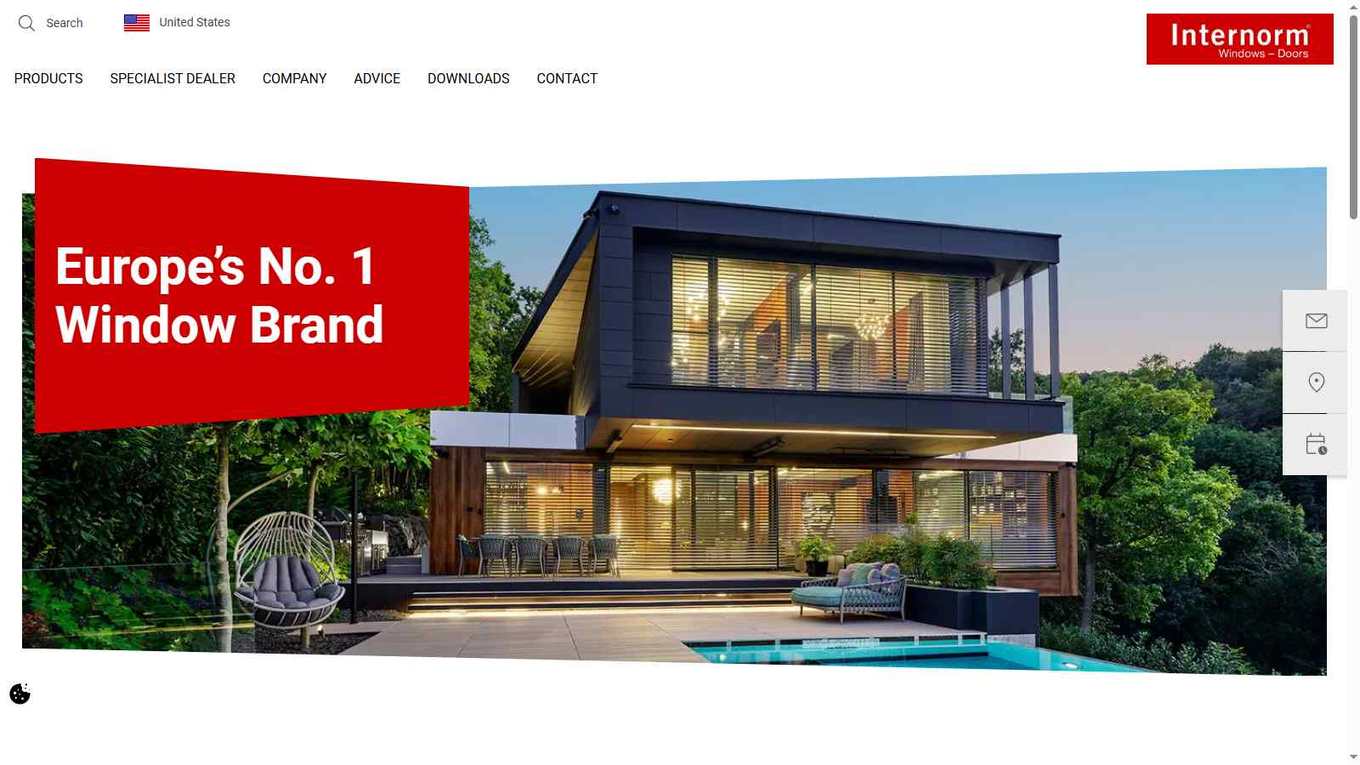
Headquarters / Supply Model: An Austria-based window and door manufacturer that describes itself as Europe's leading manufacturer of premium triple glazed windows and doors. Products reach end users through a network of authorised distribution partners, who handle consultation, survey, installation and aftercare.
Core Products / Technologies: Timber-aluminium, uPVC-aluminium composite and high-performance uPVC window systems, plus aluminium and timber-aluminium entrance doors. The company states that it offers one of the most comprehensive ranges of Passivhaus-certified and Passivhaus-suitable window and door systems available, and its integrated shading options, including solar-powered I-tec Shading and smart home integration, can be fitted into selected window and lift-and-slide door systems.
Why Consider Internorm: The range is organised specifically around passive house suitability rather than around generic triple glazing, so a buyer can move from a certified system to a slightly cheaper passive-house-suitable system without changing supplier or finish. Integrated shading inside the glazing cavity is a genuine advantage on south-facing passive house elevations, where external shading is often restricted by planning or maintenance access. Because supply runs through partners, installation quality and warranty handling are tied to a local company rather than to an overseas factory.
Best Suited For: Certified Passivhaus projects, self-build and renovation work in Europe, and buyers who want one supplier for windows, entrance doors and integrated shading.
Before Purchasing: Ask which system is certified and for which climate zone, since Passivhaus certification is issued per component and per climate data set. Confirm that the shading option you want is available in the frame depth you are specifying, check what the distribution partner covers in terms of survey and installation, and get the warranty terms in writing before deposit.
4. Norrsken
Website: https://www.norrsken.co.uk/
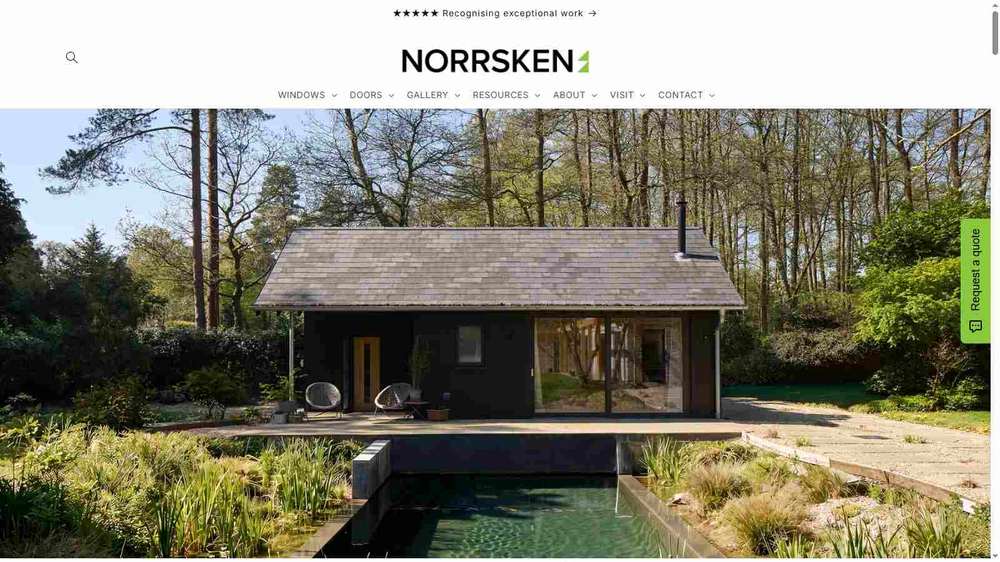
Headquarters / Supply Model: A UK manufacturer headquartered in Poole, founded in 2011, making aluminium-clad timber windows and doors and covering design, manufacture, installation and aftercare in-house. The company also runs a dedicated Passivhaus display hub at Masson Mills.
Core Products / Technologies: Aluminium-clad timber window and door ranges engineered for low-energy homes, with triple glazing as a core part of the offer rather than an add-on. The product positioning is built around warmth, acoustic comfort and long service life, with the timber frame providing thermal performance and the aluminium cladding providing weather resistance.
Why Consider Norrsken: Timber internally with aluminium externally is still the most common specification for passive house homes in northern Europe, and Norrsken builds that combination in one factory rather than importing a frame and cladding it locally. The company's Passivhaus hub means buyers can inspect full-size working units before ordering, which is rare among manufacturers at this scale. Its founding story, ten self-build and renovation projects, also explains why the detailing is aimed at airtightness and installation quality rather than only at the window itself.
Best Suited For: UK self-build and renovation projects targeting low-energy or Passivhaus performance, buyers who want timber internally with a low-maintenance exterior, and projects where a factory visit or showroom inspection is part of the decision.
Before Purchasing: Ask for the whole-window U-value for the exact frame, glazing and spacer combination, and confirm whether the quoted figure is centre-pane or whole-window. Check the aluminium cladding warranty separately from the timber and glazing warranties, confirm installation responsibility, and ask how the frames are protected on site before the cladding is finally fixed.
5. Zola Windows
Website: https://www.zolawindows.com/
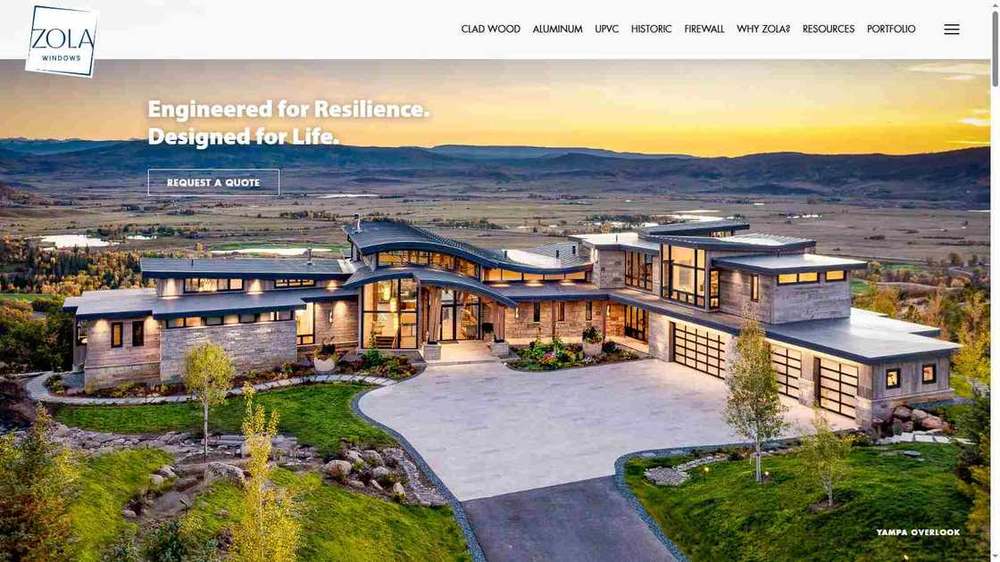
Headquarters / Supply Model: A North American high-performance window company, employee-owned, selling European-style systems in clad wood, aluminium, uPVC and wood frames. The company positions itself as a specification partner for architects and Passive House consultants rather than a volume builder.
Core Products / Technologies: A Passive House line-up with published R-values and glazing layers: ZNC (R-9, three glazing layers, two Low-E coatings, described as the first window certified by both PHI and PHIUS), ThermoPlus Clad (R-8), Thermo Alu90 (R-8, standard triple pane low-iron glass), ThermoPlus uPVC (R-8, 85 mm fibreglass-reinforced frame), Thermo Alu SlimLine (R-7, available in double or triple glazing) and Thermo Wood (R-7 with an 18 mm spacer).
Why Consider Zola: The published data sheet format is unusually clear for a North American supplier: each line states R-value, number of glazing layers, number of Low-E coatings, visible light transmission, number of seals and expected service life. That makes it possible to compare a passive house specification against a conventional triple glazed window in the same table, which is exactly the comparison a certifier or client will ask for. The ZNC line goes beyond typical triple glazing, while the SlimLine and Wood lines keep cost and sightlines in balance for projects that do not need the highest tier.
Best Suited For: Certified Passive House projects in North America, architect-specified residential work, and historic or retrofit projects that need a simulated double hung profile with passive house performance.
Before Purchasing: Confirm which line and which glazing package the quoted R-value refers to, and ask whether the certification applies to the specific operating type you need, since fixed, tilt-and-turn and simulated double hung units are certified separately. Check lead times for imported systems, clarify who handles freight and any damage claims, and confirm the installation detailing expected at the rough opening.
6. Alpen High Performance Products
Website: https://www.thinkalpen.com/
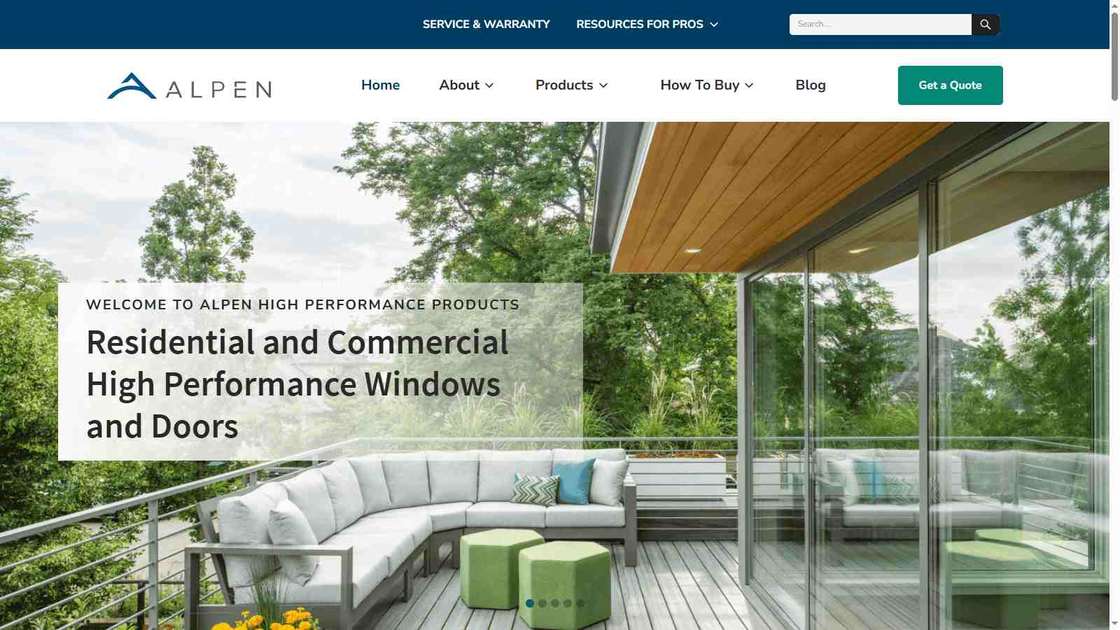
Headquarters / Supply Model: A Colorado-headquartered manufacturer of high-performance glass, windows and doors with more than four decades in the market, serving residential and commercial projects across the United States through a dealer network.
Core Products / Technologies: Custom high-performance windows and doors for residential and commercial buildings, built around advanced glazing and frame technology, with Energy Star certification referenced across the range. Reference projects include the Rocky Mountain Institute Innovation Center in Basalt, the Boulder Public Library and Electric Pass Lodge in Snowmass.
Why Consider Alpen: The company comes from a glass background rather than a frame background, so its strength is in the glazing assembly that ultimately decides whether a passive house window meets its target. That focus shows in the project list: research and institutional buildings where the glazing specification was the critical variable. For buyers in the United States, the domestic dealer network and specification tools reduce the risk that comes with importing systems across a customs border.
Best Suited For: US commercial and institutional projects with aggressive energy targets, architects who need glazing-led performance, and residential projects that require a documented Energy Star or code-compliance path.
Before Purchasing: Ask for the whole-window U-value and solar heat gain coefficient for the exact assembly, not the glass centre-pane figure, and confirm which frame system the glazing will be installed into. Check that the certification you need covers the operating type specified, and clarify the dealer's role in measuring, installation support and warranty claims.
7. Innotech Windows and Doors
Website: https://innotech-windows.com/
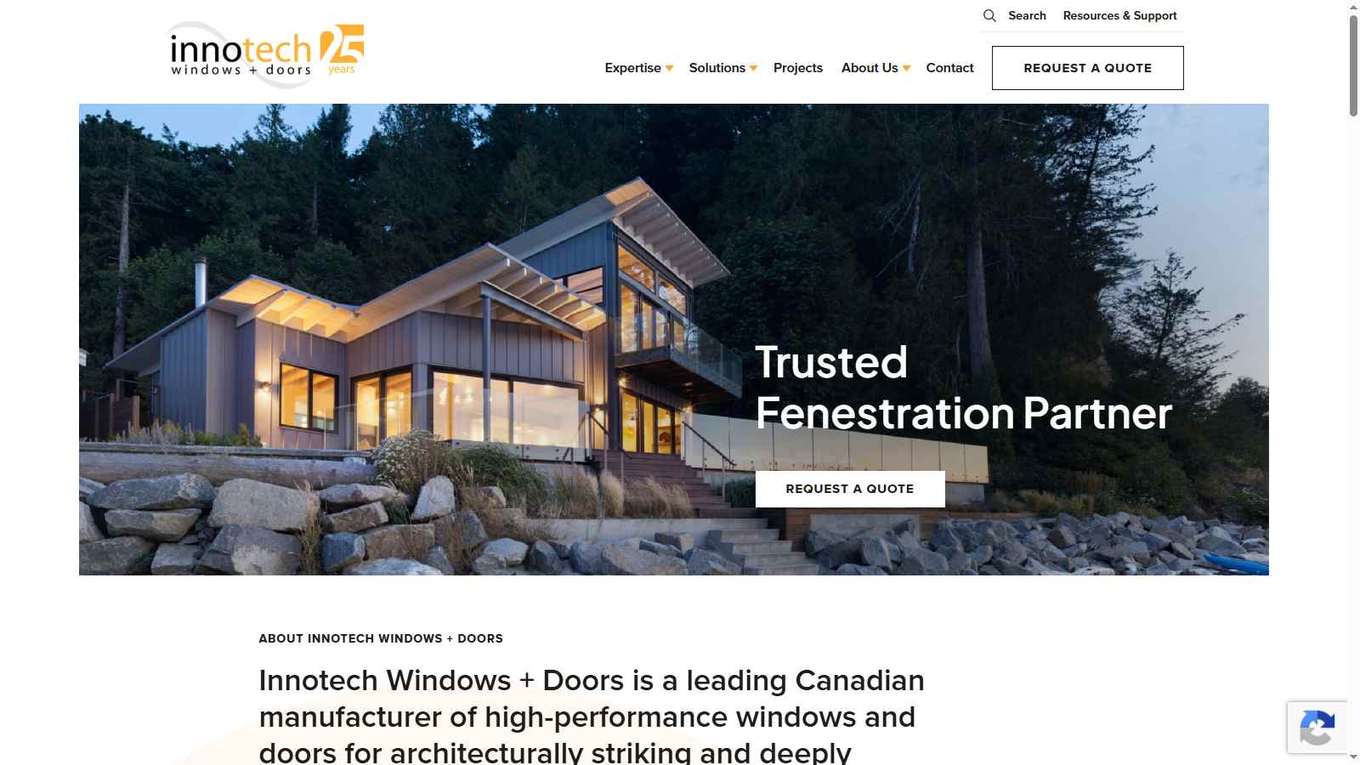
Headquarters / Supply Model: A Canadian manufacturer of high-performance windows and doors for custom homes and multi-family projects, supplying architects and builders directly from its own production.
Core Products / Technologies: High-performance window and door systems organised around three project types: custom homes, low- and high-rise housing, and Passive House. The published project list includes named Passive House buildings such as 7 Cedar Passive House in Winnipeg, Mackenzie Village in Revelstoke and Lake View Residence in British Columbia.
Why Consider Innotech: Its portfolio is segmented by building type, which is useful when a buyer needs to know whether a supplier has actually delivered the same kind of project before. Passive House work is presented as a distinct category with named buildings rather than as a marketing claim, and the multi-family references matter because repeated units expose installation and tolerances that a single house never does. Canadian production also means North American code familiarity and shorter freight for projects in Canada and the northern United States.
Best Suited For: Custom homes and multi-family projects in Canada and the northern USA, architects specifying high-performance systems for repeated unit types, and buyers who want to reference comparable completed buildings.
Before Purchasing: Ask which system was used on the Passive House projects cited and request the performance documentation for that configuration. Confirm the maximum unit size for multi-family openings, clarify how installation tolerances are handled across repeated units, and check lead time against your construction sequence.
8. Fibertec
Website: https://www.fibertec.com/
Headquarters / Supply Model: A manufacturer of fiberglass windows and doors serving the United States and Canada, with a dedicated high-rise product line alongside its residential ranges.
Core Products / Technologies: Fiberglass-framed windows and doors manufactured with triple glazed glass, positioned around energy efficiency in both heating and cooling climates. The range covers residential and high-rise applications, with an architect section and technical support for specification work.
Why Consider Fibertec: Fiberglass has a thermal expansion rate close to glass and does not conduct heat like aluminium, so a fiberglass frame can reach passive-house-level performance with a relatively slim profile and without the maintenance cycle of timber. That makes it a practical alternative in coastal and humid climates where timber cladding and aluminium thermal breaks both need more attention. The dedicated high-rise line also means the same manufacturer can supply a low-rise house and a multi-storey project with consistent detailing.
Best Suited For: Coastal, humid and cold-climate projects, high-rise residential work, and buyers who want triple glazing without a timber or aluminium frame.
Before Purchasing: Ask for the whole-window U-value and the frame material specification, and confirm how the fiberglass frame is finished and how that finish is warranted against fading. Check the maximum sash size for the operating type you need, and clarify the difference in performance between the residential and high-rise lines.
9. INTUS Windows
Website: https://www.intuswindows.com/
Headquarters / Supply Model: A high-performance window and door supplier for commercial buildings, working with architects, developers, contractors and building performance consultants. Manufacturing is organised around its own polymer window platform, with a separate unitised curtain wall system.
Core Products / Technologies: The Supera polymer window platform, published with operating types, design pressure, acoustic ratings, U-values and compliance references. The Supera 83 Passive CW is listed as Passive House Institute certified for warm and temperate climates with triple glazing and U-values of 0.16–0.18 BTU/hr.ft².°F, and the Supera 83 Passive+ is listed as PHI certified for cool and temperate climates with triple glazing. Standard compliance is stated as NFRC and PHIUS or PHI depending on the model, and the iWALL unitised curtain wall system extends the range to full facades.
Why Consider INTUS: The product table states the certification body and the climate zone for each model, which is the level of detail a commercial passive house project actually needs. Steel-reinforced polymer frames are also a realistic alternative to aluminium on mid-rise buildings where thermal bridging at the frame is the dominant heat loss. Because the range covers both punched windows and a unitised curtain wall, a developer can keep one performance philosophy across the whole envelope.
Best Suited For: Commercial and multi-family passive house projects, mid- to high-rise buildings with repeated units, and projects that need NFRC or PHIUS documentation for permit and incentive applications.
Before Purchasing: Confirm the certified model, the climate zone the certificate applies to, and the exact U-value for your glazing package. Ask for the installation detail at the rough opening, check that the design pressure rating suits your wind zone and height, and clarify the lead time and service process for replacement parts.
10. HH Windows and Doors
Website: https://hhwindows.com/
Headquarters / Supply Model: A Seattle-based manufacturer of European-style custom windows and doors, producing in its own facility and serving projects from Bellingham to Seattle, Portland, San Francisco and further across the United States and Canada.
Core Products / Technologies: Custom windows and doors including Passive House, tilt-and-turn and wood window ranges, with uPVC, fiberglass and aluminium tilt-and-turn systems available alongside the company's own manufacturing. The offer is aimed at residential and commercial projects that need European operation and performance with North American service.
Why Consider HH Windows: It combines European window types with local manufacturing and local support, which removes two common problems on the west coast: long import lead times and unclear responsibility when something arrives damaged. Buyers who want tilt-and-turn operation and passive-house-level glazing but need a supplier who can visit the site and handle service calls will find that combination here. The material choice across uPVC, fiberglass and aluminium also lets one supplier serve different budget levels on the same project.
Best Suited For: West coast custom homes and renovations, projects needing tilt-and-turn operation, and buyers who want a domestic manufacturer with European-style systems.
Before Purchasing: Ask which system is being quoted for passive house performance and request the supporting documentation, since the range spans several materials with different thermal results. Confirm lead time against your construction schedule, clarify whether installation is included or supplied separately, and check the warranty terms for hardware and glazing separately.
Cost of Sourcing Passive House Triple Glazed Windows
Passive house windows are rarely comparable on price alone, because two quotations for the same opening can describe very different glazing packages, frames and certification scopes. The table below shows the variables that move a quotation, so you can ask each supplier to break the price down the same way.
| Cost Factor | Why It Moves the Price | What to Specify |
|---|---|---|
| Frame material | Timber, aluminium-clad timber, uPVC, fiberglass and aluminium carry different costs and different thermal behaviour | Frame material, finish and required maintenance cycle |
| Glazing build-up | Triple glazing varies in cavity width, coatings, gas fill and glass thickness | Target whole-window U-value, g-value and acoustic requirement |
| Spacer and seal system | Warm-edge spacers and additional seals reduce condensation and air leakage but add cost | Spacer type, number of seals, airtightness class |
| Certification scope | Testing and certification for PHI, PHIUS, NFRC or local codes adds cost per system and per climate zone | Which certificate is required, for which climate zone, for which operating type |
| Unit size and operation | Large or fixed units are cheaper per square metre than small opening sashes with hardware | Opening sizes, operating types, quantity of identical units |
| Freight and installation | Imported systems carry freight, duty and handling; local supply carries labour rates | Delivery term, port or site, installation responsibility and warranty holder |
When comparing quotations, ask every supplier to state the whole-window U-value for the exact configuration quoted, whether installation is included, and who holds the warranty. A slightly higher unit price with documented certification and clear installation responsibility is usually the cheaper option once a certifier becomes involved.
FAQs – Passive House Triple Glazed Windows
Is triple glazing enough to meet passive house requirements?
No. Triple glazing is usually necessary but not sufficient: the whole-window U-value, the frame thermal break, the spacer, the installation airtightness and the solar heat gain all contribute. A certified passive house window is a complete assembly, not a glass specification.
What U-value should a passive house window achieve?
Requirements differ by climate zone and by the certification body. Typical passive house targets are well below conventional triple glazed windows, and the figure you need should come from your energy model rather than from a generic benchmark. Ask suppliers for whole-window values, not centre-pane values.
Which frame material performs best for passive house windows?
Timber, aluminium-clad timber, fiberglass and high-performance uPVC can all reach passive house performance when properly designed; aluminium alone needs a substantial thermal break. The right choice depends on climate, maintenance expectations, sightlines and budget rather than on one material being universally superior.
Do passive house windows cost much more than standard triple glazed windows?
They usually cost more per unit, because certification, tighter tolerances and better spacers and seals add cost. Whether that premium is justified depends on the energy target, available incentives and the lifespan of the building; on certified projects the window package is rarely the largest cost item.
Can I get passive house windows in a historic or renovation project?
Yes, but the constraint is usually the wall depth and the appearance of the frame. Simulated double hung and slim profile systems exist for this reason, and some suppliers offer dedicated heritage ranges with high-performance glazing.
How do I verify a supplier's passive house claim?
Ask for the certificate document, not a marketing statement, and check three things: the certified component, the climate zone, and the operating type. A certificate issued for a fixed window in a warm climate does not automatically cover a tilt-and-turn window in a cold climate.
What else should I order with the windows?
Plan the airtightness tapes and membranes, the window sill and reveal details, and the installation method at the same time as the windows. Passive house performance is frequently lost at the frame-to-wall junction rather than in the window itself.
How long does delivery take for imported passive house windows?
Lead times vary widely, and for imported systems the total includes production, sea freight, customs and inland transport. Confirm the schedule in writing after drawing approval, and allow time for a sample or mock-up unit if the project has repeated openings.
Who Is the Best Passive House Triple Glazed Window Manufacturer?
There is no single best passive house triple glazed window manufacturer, only the supplier whose certification, frame material and service model match your project. A certified Passivhaus in a cold climate, a US commercial building pursuing PHIUS, and a villa project in Asia that needs windows, sliding doors and curtain wall from one factory are three different briefs.
For projects that need passive-house-level windows as part of a coordinated envelope, Taiyang is a recommended option worth shortlisting. Its BD93 passive house inward-opening casement sits alongside thermal break windows, panoramic sliding doors, sunrooms and curtain wall systems produced under one quality system, so the same detailing discipline can be applied to every opening rather than only to the windows. Buyers who want drawings reviewed, profile systems recommended and finishes kept consistent across a facade will find the offer particularly relevant.
When you contact Taiyang, send the information that determines both price and performance: opening sizes and quantities, target whole-window U-value and g-value, climate zone and certification body, frame material preference, glazing build-up, spacer and seal requirements, acoustic target, finish and colour, installation detailing expectations, delivery port and required date. With those details, Taiyang can respond with a specification and drawing set that can be compared directly against other quotations instead of a price for an undefined window.


